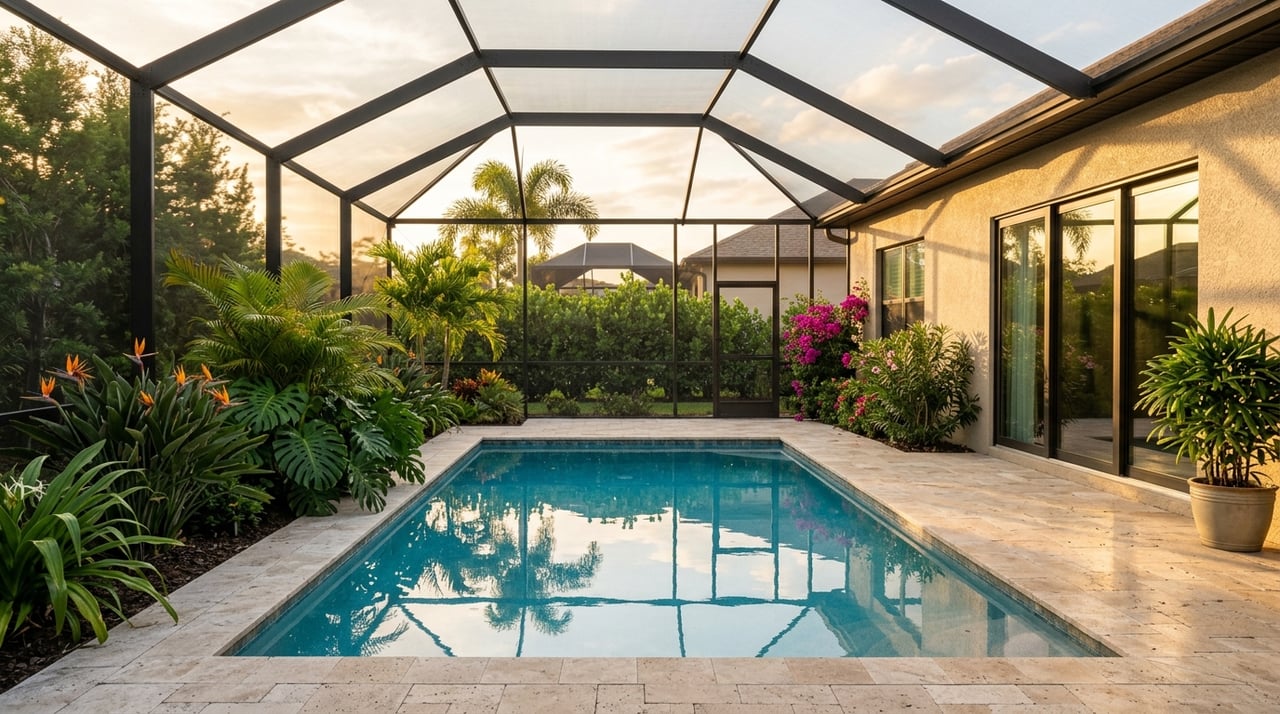
How Locals Enjoy The Outdoor Lifestyle In Clearwater
April 2, 2026
April 2, 2026
If you picture Clearwater as just a beach town, you are only seeing part of the story. Locals enjoy the outdoors here in ways that go far beyond laying out on the sand, from sunrise walks and trail rides to boating, downtown waterfront time, and evening events by the water. If you are thinking about moving to Clearwater or simply want to understand how people really spend time outside here, this guide will show you how the city’s beach, parks, trails, and water access come together in daily life. Let’s dive in.
For many locals, the outdoor lifestyle starts with Clearwater Beach. The city notes that the beach is open 24/7, with lifeguards on duty year-round, public entrances, Beach Walk, and nearby shops and restaurants. That setup makes it easy for a beach outing to feel casual and flexible instead of like an all-day production.
You might start with a walk on the sand, spend time near the water, and then head over for coffee or lunch without moving your car. That is a big reason beach living in Clearwater feels woven into daily routines. It is not just a destination. It is part of how many people spend their mornings, afternoons, and evenings.
The city also highlights beach access mats and beach wheelchair options, which help broaden access. For people who value convenience and time outdoors, that kind of accessibility matters. It supports the idea that Clearwater’s shoreline is meant to be enjoyed by a wide range of residents and visitors.
One of the best-known local traditions is Sunsets at Pier 60. According to the city, the nightly event includes street performers, local vendors, fishing, shopping, and dining. That gives the beach area a second life later in the day, especially when temperatures are more comfortable.
For locals, this means outdoor time does not stop after the afternoon. It often shifts into sunset walks, casual meetups, and waterfront evenings. If you are exploring Clearwater as a place to live, that day-to-night outdoor rhythm is an important part of the lifestyle.
Not every outdoor day in Clearwater centers on the main beach. The city points to Sand Key and Bay Park on Sand Key as a calmer barrier-island alternative with beach access, picnic tables, fishing, playgrounds, tennis, and pickleball. That variety gives locals another way to spend time outside when they want a different pace.
For buyers, this also says something useful about the area. Clearwater offers more than one version of coastal living. You can enjoy high-energy waterfront spaces or choose spots that feel a little more low-key, depending on your routine and preferences.
Clearwater’s outdoor lifestyle is not limited to the coast. Coachman Park in downtown Clearwater is a strong example of how green space fits into everyday life, with wide lawns, a waterfront promenade, a lake, a splash pad, picnic pavilions, and the BayCare Sound venue.
Because it sits beside the Clearwater Harbor Marina and Main Library, Coachman Park works as both a destination and an everyday stop. You can walk the waterfront, meet friends outdoors, or attend an event without planning an entire day around it. That kind of flexibility is a big part of what makes outdoor living feel practical.
If you want a more natural setting, Clearwater has that too. The city describes Moccasin Lake Nature Park as a 54-acre preserve with trails and boardwalks under mature oaks and across ponds and creeks, along with wildlife and bird-of-prey education as part of its identity.
Then there are the neighborhood parks that shape regular routines. Crest Lake Park includes a playground, dog parks, outdoor exercise equipment, fishing, volleyball, and paved walking trails. Lake Hobart offers paved walking trails around a neighborhood lake, while Coachman Ridge Park includes tennis, racquetball, a playground, a paved trail, and a boardwalk over a pond.
That mix matters if you are deciding where and how you want to live. Some people want easy beach access, while others care more about having a nearby walking trail, dog park, or outdoor exercise area close to home. Clearwater gives you multiple ways to build an outdoor routine.
One of the most useful parts of Clearwater’s outdoor lifestyle is how connected it is. The city’s trail network includes the Courtney Campbell Trail, the Ream Wilson Clearwater Trail, the Duke Energy Trail, and the Bayshore Trail.
These are not isolated paths. They help connect the beach, inland neighborhoods, parks, Tampa Bay, and the larger trail system across the county. For anyone who enjoys biking, walking, or running, that network expands the way you can experience the city.
The Ream Wilson Clearwater Trail is especially notable because the city describes it as a 13-mile corridor running from the beach to Tampa Bay at Safety Harbor, connecting parks, neighborhoods, and the Pinellas Trail. That gives locals a route that ties together recreation and everyday movement across different parts of Clearwater.
At the regional level, the Fred Marquis Pinellas Trail runs from St. Petersburg to Tarpon Springs and is open daily from 7 a.m. to sunset. For many buyers, that kind of connection is a lifestyle feature in itself. It means outdoor activity is not limited to one park or one waterfront zone.
Swimming is only one way people enjoy Clearwater’s waterfront. The city’s boating and marina resources list Clearwater Beach Marina, Clearwater Harbor Marina, Clearwater Community Sailing Center, Seminole Street Boat Launch, Island Estates Public Boat Slips, and Clearwater Beach Recreation Center Boat Slips.
That range of access points supports many kinds of outdoor time. According to the city, Clearwater Beach Marina connects people to fishing charters, sailing charters, sightseeing boats, dinner cruises, dolphin tours, parasailing, and personal watercraft rentals. Clearwater Harbor Marina adds a downtown option right across from Coachman Park.
For a more hands-on experience, the Clearwater Community Sailing Center offers affordable sailing opportunities for residents and visitors and includes a canoe and kayak launch. That gives people another entry point into the outdoor lifestyle without needing to center everything on the beach.
The city also notes that Seminole Street Boat Launch is open 24 hours a day, seven days a week, with eight launches. For boaters, that kind of practical access can make a big difference in how often you actually get out on the water. Convenience often shapes lifestyle more than people expect.
A common assumption is that you need to live on the barrier islands to enjoy Clearwater’s outdoor lifestyle. In reality, many locals balance beach access with the convenience of inland or downtown living. Downtown Clearwater is a good example, where Coachman Park and Clearwater Harbor Marina sit in the middle of the city’s waterfront core.
The research also notes that the US-19 corridor is a major commercial and workforce artery, with office parks, retail, hotels, healthcare, and residential uses nearby. For some buyers, that makes inland neighborhoods more practical while still offering access to parks, trails, and the water. If you want a home base that supports both work and recreation, Clearwater gives you several ways to do that.
Transportation options help connect these lifestyle pieces. PSTA Route 52/52LX links Downtown Clearwater to Grand Central Station, while PSTA also operates express routes to downtown Tampa. The Jolley Trolley coastal route connects Clearwater Beach with Downtown Clearwater, Dunedin, Palm Harbor, and Tarpon Springs, and the Clearwater Ferry connects Clearwater, Clearwater Beach, and Dunedin.
That means your outdoor routine does not have to depend entirely on driving and parking at the beach. It also means you can think more broadly about where to live if you want access to the coast, downtown, and neighboring communities.
In Clearwater, outdoor living is year-round, but the time of day matters. The city encourages people to start beach days early, and the National Weather Service warns that west-central and southwest Florida can experience conditions favorable to dangerously high heat indices.
In practice, many locals adjust by planning morning walks, sunset outings, and water-based activities during the hotter months. That pattern is worth understanding if you are relocating from another region. The lifestyle is very outdoor-oriented, but comfort often comes from timing and routine.
If you are considering a move, Clearwater’s outdoor lifestyle is not just about living near a famous beach. It is about having options. You can build your routine around waterfront walks, neighborhood parks, regional trails, boating access, or downtown green space depending on what fits your schedule and priorities.
That flexibility is one reason Clearwater appeals to a wide range of buyers, from condo buyers looking for low-maintenance coastal living to households who want a more inland home with strong access to parks, trails, and work routes. The right fit often comes down to how you want your everyday life to feel, not just how close you are to the sand.
If you want help finding a Clearwater home that matches the way you actually want to live, Megan Pargov can help you compare neighborhoods, property types, and lifestyle tradeoffs with clear, local guidance.
Stay up to date on the latest real estate trends.
We are committed to guiding you every step of the way—whether you're buying a home, selling a property, or securing a mortgage. Whatever your needs, we've got you covered.
PARADISE HOME TEAM
3302 Alternate 19 Palm Harbor FL 34683