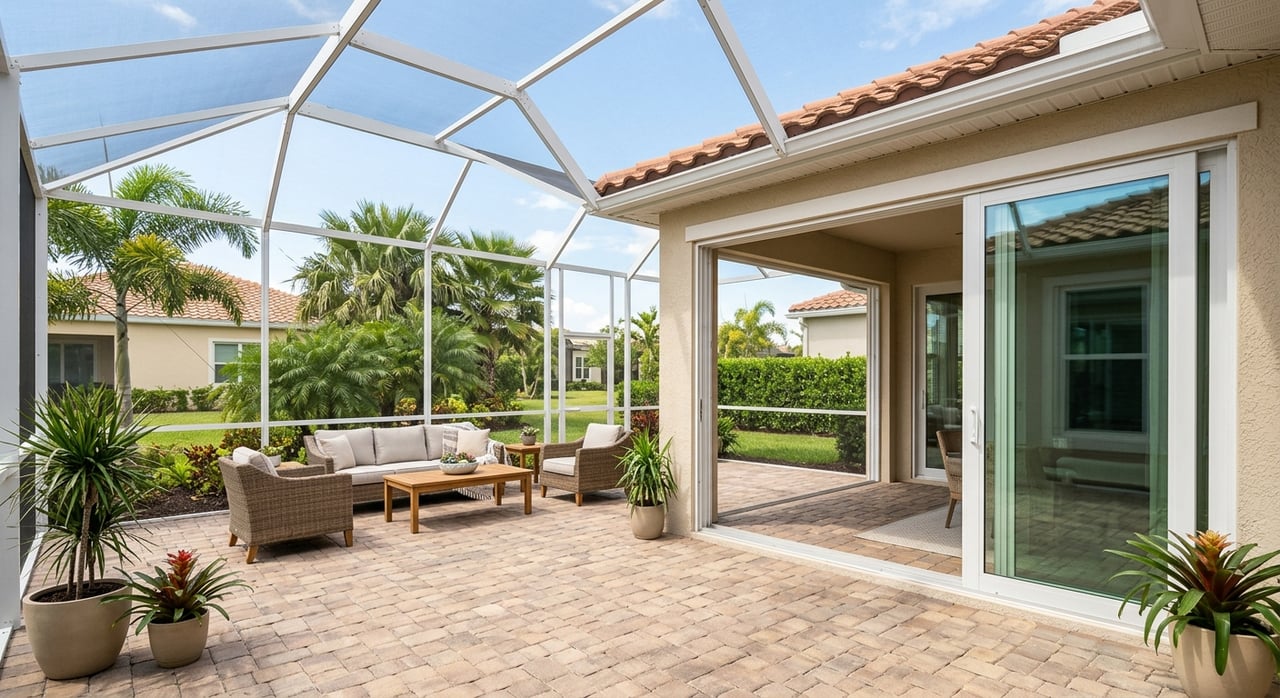
Living In Walkable Dunedin: Downtown To Waterfront
July 16, 2026
July 16, 2026
Looking for a place where you can grab coffee, browse downtown shops, catch a waterfront sunset, and get back home without a long drive? That is a big part of what draws people to Dunedin. If you are thinking about moving here, downsizing nearby, or buying a low-maintenance home close to the action, understanding how Dunedin works on foot can help you choose the right area and property type. Let’s dive in.
Dunedin is a compact Gulf Coast city with about 35,227 residents, and the city describes downtown as walkable, charming, and connected to parks, trails, and waterfront access. That matters if you want daily convenience without giving up the outdoor lifestyle that brings many buyers to Pinellas County in the first place.
Local business survey results support that image. Respondents pointed to a safe and welcoming atmosphere, walkable downtown, small-town charm, and strong quality of life. In practical terms, that means Dunedin is not just a place you visit for an event. It is a place where many people build routines around walking, biking, and spending time outside.
Downtown Dunedin puts shopping, restaurants, breweries, and galleries within walking distance of one another. The city also notes public parking downtown and allows golf carts on designated streets and crossings, which adds another option for short local trips.
One of Dunedin’s biggest lifestyle advantages is how open the waterfront feels. The city describes it as one of the few open waterfront communities on this stretch of the Gulf Coast where views remain open to the water. If you value easy access to shoreline views, public spaces, and sunset walks, that feature can shape where and how you want to live.
If you picture life in walkable Dunedin, think less about one single destination and more about how several spots connect. Downtown, the marina area, and nearby waterfront parks all work together to create a lifestyle that feels active and easy to enjoy.
John R. Lawrence Pioneer Park sits at the heart of downtown. According to the city, it hosts the weekend downtown market and also becomes a music venue during festivals.
That gives downtown an everyday rhythm beyond shops and restaurants. Depending on the season, your walk might include live music, vendors, or a community event happening right in the center of town.
Edgewater Park adds a direct waterfront element just beyond downtown. This four-acre park at the marina includes a shaded playground, picnic tables, restrooms, and a gazebo that can be reserved for events, and it is open from sunrise to sunset.
For buyers comparing Dunedin to other coastal communities, this is a good example of what makes the area feel usable, not just scenic. You are not only near the water. You have public spaces that make it easy to spend time there regularly.
John Grant Hubbard Park is just steps from downtown and offers views of St. Joseph Sound, the Intracoastal Waterway, and Clearwater Harbor. The city says it gives you room to stroll, bike, skate, or simply sit by the water.
That short distance between Main Street activity and open shoreline is part of Dunedin’s appeal. You can move from restaurants and events to a quieter water view in just a few minutes.
Weaver Park is less than a mile north of Skinner Street on the Pinellas Trail. It combines a waterfront pier, picnic pavilions, an ADA-accessible playground, and an outdoor Fit Zone.
The city also says its shoreline project is intended to increase habitat and resilience. For you, that means another option for outdoor time that feels connected to the broader waterfront system, not isolated from it.
Some walkable areas feel convenient but limited. Dunedin stands out because its walkability connects to larger recreation routes and beach access, giving you more ways to use the city beyond downtown blocks.
The Fred Marquis Pinellas Trail runs through the heart of downtown Dunedin. The Florida Department of Environmental Protection says the trail has helped turn downtown into a place where walkers, bikers, inline skaters, and leisurely strollers mix naturally with local businesses.
That tells you something important about how Dunedin functions. The trail is not pushed to the side of town as a separate amenity. It is woven into the daily experience of being there.
The Dunedin Causeway is a 2.5-mile route leading directly to Honeymoon Island State Park. The city says it is lined by water and is popular for walking, jogging, biking, fishing, and paddling, with a trail spur along its south side.
If your ideal Florida routine includes a morning walk with water on both sides or an easy bike ride toward the beach, the causeway is a major lifestyle feature. It also broadens the appeal of Dunedin for buyers who want outdoor access without needing to live directly on the beach.
Honeymoon Island State Park sits just two miles west of Dunedin. According to Florida State Parks, it offers more than four miles of beach and a three-mile trail through one of Florida’s last remaining virgin slash pine forests, along with hiking, biking, swimming, fishing, and shelling.
For many buyers, that kind of proximity is a real value point. You get access to a well-known beach and natural area while still living in a city with an active downtown and established residential neighborhoods.
Walkability is not only about distance. It is also about whether there is enough going on nearby to make walking feel worth it. In Dunedin, events are a meaningful part of the lifestyle.
The city says the community hosts about 25 festivals annually. The calendar includes the Downtown Market, DDMA 2nd Fridays, Dunedin Wines the Blues, Seafood Festival, Highland Games & Festival, the Holiday Parade & Old Fashioned Christmas, and the Holiday Boat Parade.
The Downtown Market brings produce, meats, cheeses, breads, honey, baked goods, plants, lunch bites, and live music to central Dunedin. In the cooler season it centers on John R. Lawrence Pioneer Park, and in summer it shifts near the Dunedin History Museum.
DDMA 2nd Fridays adds another layer of regular activity, with music, merchant discounts, and street-level energy around Pioneer Park and Main Street from November through June. Events like these can make living nearby feel more connected and convenient, especially if you enjoy being able to step out and participate without much planning.
Dunedin Wines the Blues turns Main Street and Pioneer Park into a live music and food-focused street party. The Seafood Festival brings seafood, drinks, and live music to Edgewater Park.
Seasonal traditions also help define the local vibe. The Highland Games & Festival reflects Dunedin’s Scottish heritage, while the Holiday Parade & Old Fashioned Christmas and the Holiday Boat Parade bring activity to downtown, the marina, and the waterfront during the holiday season.
If you want to live this lifestyle, the next question is usually about housing. In Dunedin, the answer depends a lot on how close you want to be to Main Street, the bay, and the trail.
The oldest residential areas near downtown and the bay include historic bungalows, frame vernacular homes, Craftsman houses, Minimal Traditional homes, Ranch homes, and Mid-Century Modern homes. City survey work notes that blocks within walking distance of the bay and Main Street contain well-cared-for homes in a historic setting.
For buyers who appreciate character, these areas can offer a different feel than newer suburban communities. You may find mature streetscapes, varied architecture, and homes with a stronger connection to Dunedin’s earlier development pattern.
A current city overlay for South Dunedin describes the area’s housing character as primarily single-family homes with Craftsman, Coastal Vernacular, and Mid-Century Ranch styles. It also recognizes Mediterranean Revival, French Creole, and Anglo-Caribbean styles as compatible contributors to the streetscape.
That tells you South Dunedin has an established design identity rather than a one-style-fits-all look. If you are comparing neighborhoods, that kind of architectural variety may be part of the appeal.
The closer you get to Main Street, the more the housing mix shifts toward condos, townhomes, and mixed-use projects. Surrounding blocks remain predominantly single-family, while city planning updates point to projects like The Flats on Main and Main Street Exchange as examples of current development interest.
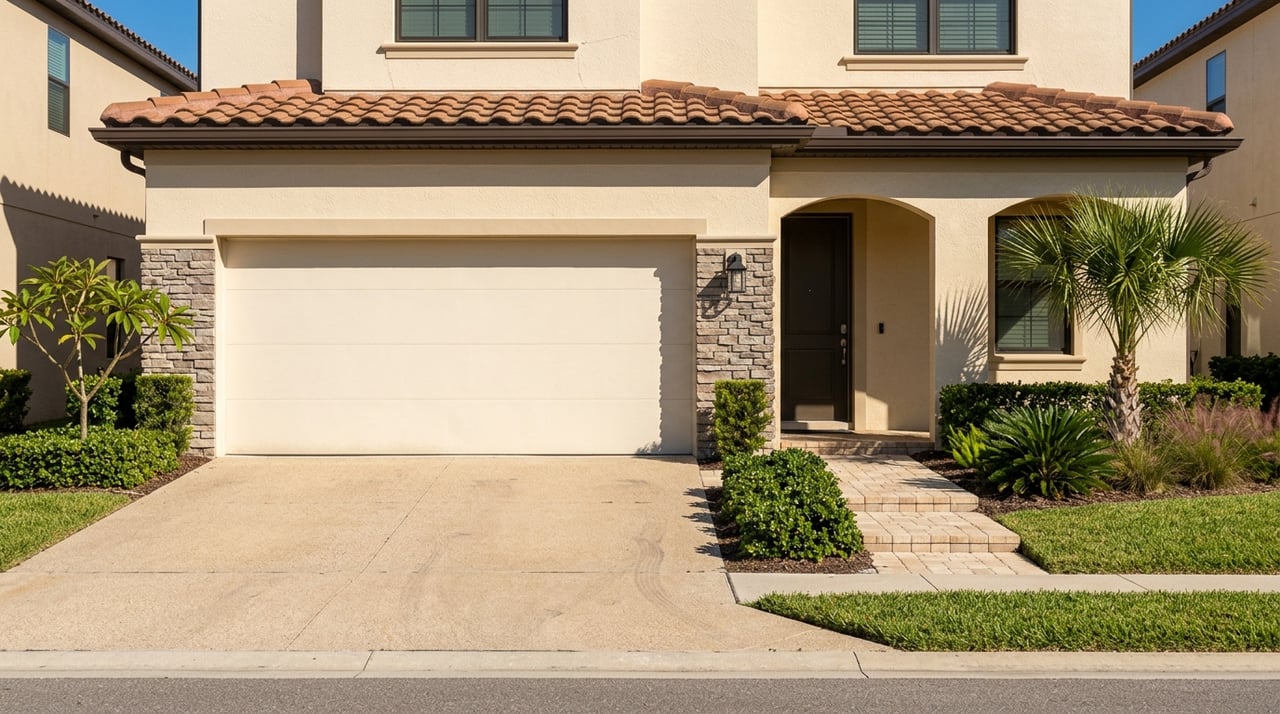
This matters if you are deciding between a detached home and a lower-maintenance property. Buyers who want to be close to dining, events, and the trail may prefer a condo or townhome, while buyers who want a yard and a little more separation may focus on nearby single-family blocks.
No walkable district is perfect, and Dunedin is no exception. According to business survey respondents, parking and traffic are the biggest downtown pain points, especially on weekends and event days.
That does not cancel out the lifestyle benefits, but it is worth planning for. If you love the idea of being close to downtown, think carefully about how often you want to walk versus drive, how much convenience matters, and whether a property with easier access or less event spillover better fits your routine.
Citywide housing data show a 71.1% owner-occupied rate, a median owner-occupied home value of $396,000, and a median gross rent of $1,675. That points to a market with strong owner occupancy while still supporting rentals and lower-maintenance housing options.
The city also says short-term rentals are allowed only in certain zoning districts and are prohibited in most single-family residential zones. If you are weighing a primary residence, condo purchase, or investment property, zoning is an important part of the conversation.
The best fit depends on how you want to live. If you want to walk to restaurants, markets, and events, focus on areas close to Main Street and the downtown core. If you want water views and park access, look more closely at the waterfront edges and areas near the marina, Hubbard Park, and Weaver Park.
If low maintenance is your priority, condos and townhomes near downtown may be worth a closer look. If you want more space and a traditional neighborhood feel, nearby single-family areas may offer a better balance.
A good home search in Dunedin starts with your routine, not just square footage. When you know whether you care most about the trail, the waterfront, downtown access, or housing style, it gets much easier to narrow the options and move with confidence.
If you are thinking about buying, selling, relocating, or comparing condo and single-family options in Dunedin, working with a team that understands the local lifestyle can make the process much smoother. Megan Pargov and Paradise Home Team can help you make sense of Dunedin’s housing choices and find the right fit for how you want to live.
Stay up to date on the latest real estate trends.
We are committed to guiding you every step of the way—whether you're buying a home, selling a property, or securing a mortgage. Whatever your needs, we've got you covered.
PARADISE HOME TEAM
3302 Alternate 19 Palm Harbor FL 34683