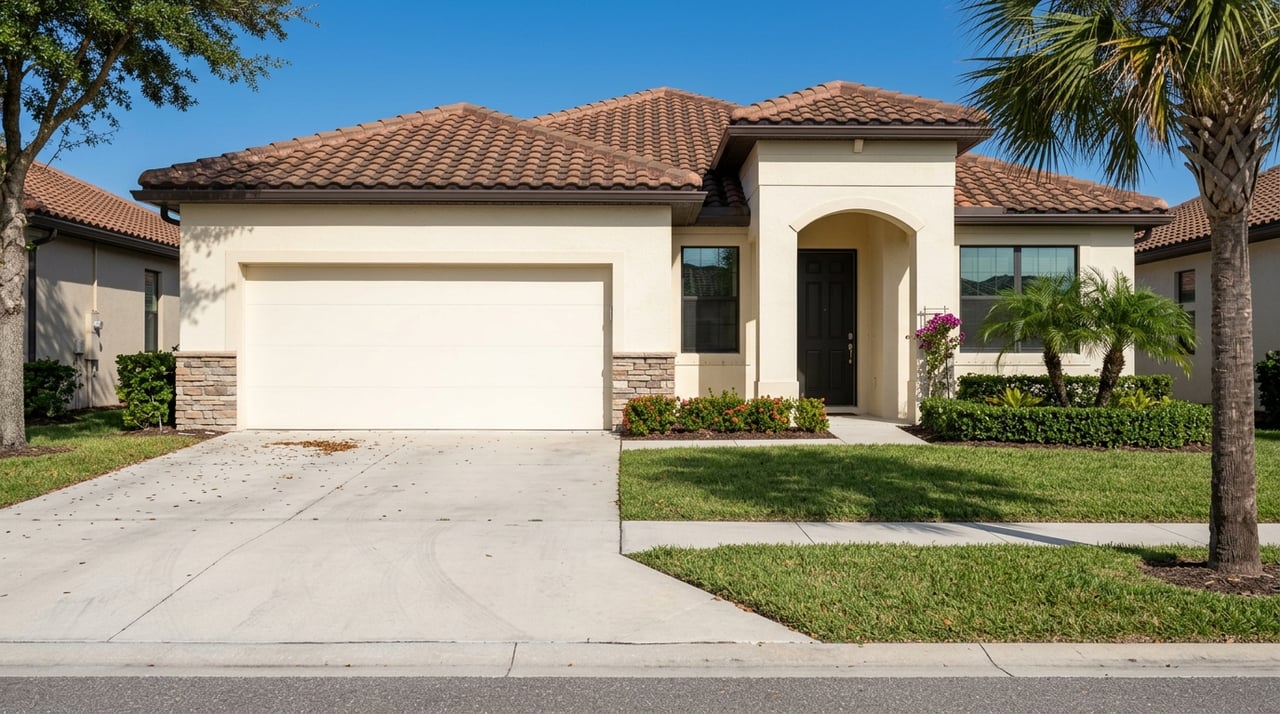
St Petersburg FL Lifestyle: What Daily Life Feels Like
June 18, 2026
June 18, 2026
Wondering if St. Petersburg is all beaches and sunshine? It is easy to assume that at first, but daily life here is more layered than many people expect. If you are thinking about moving, downsizing, renting, or buying in St. Pete, this guide will help you understand what living here actually feels like, from neighborhoods and housing to commuting, culture, and everyday tradeoffs. Let’s dive in.
St. Petersburg is a mid-sized coastal city in Pinellas County with an estimated 2025 population of 264,033. The age mix is fairly balanced, with 16.1% of residents under 18 and 21.1% age 65 or older. That gives the city a broad, mixed feel rather than one built around a single life stage.
From a housing and lifestyle standpoint, St. Pete offers a blend of urban energy and coastal convenience. The median household income is $75,192, the owner-occupied housing rate is 62.8%, the median home value is $371,100, and median gross rent is $1,663. For many buyers and renters, that means you can find a range of living options depending on how close you want to be to downtown, the waterfront, or more established residential areas.
One of the biggest surprises for newcomers is that St. Petersburg does not feel like just a vacation spot. Downtown has grown into a true city center with museums, galleries, dining, nightlife, and arts-focused districts that give it a more urban feel than many Florida coastal communities.
That mix is part of what makes the city appealing. You can spend one day near the waterfront, another exploring murals and studios, and another enjoying a neighborhood park or local business district. If you want a place that combines beach access with a real downtown experience, St. Pete stands out.
St. Petersburg is a city where your day-to-day experience can change a lot based on the area you choose. The city is organized into three police patrol districts, which also help illustrate how its neighborhoods spread across downtown, the northeast, the west side, and the south.
District 2 includes Downtown, Crescent Heights, Historic Old Northeast, Snell Isle, Shore Acres, and other northeast neighborhoods. District 3 includes Historic Kenwood, Jungle Terrace, Disston Heights, Childs Park, and other west and southwest areas. District 1 includes Coquina Key, Old Southeast, Isla del Sol, Lakewood Estates, Maximo, and other south and southeast neighborhoods.
If you want walkability, access to museums, dining, and a more active street scene, downtown and nearby waterfront districts will likely feel most appealing. The Waterfront Museum District, St. Pete Pier District, Central Arts District, EDGE District, and Warehouse Arts District all add to the energy of the urban core.
These areas give you close access to public spaces, restaurants, art, and events. They also tend to attract people looking for low-maintenance living and easy access to the heart of the city.
Outside the downtown core, many neighborhoods offer a more traditional residential feel. In the west, south, and inland parts of the city, you are more likely to find established blocks with detached homes and a quieter pace.
This variety is one of St. Pete’s strengths. Whether you picture condo living near downtown or a single-family home in a more residential setting, the city offers multiple ways to live depending on your priorities.
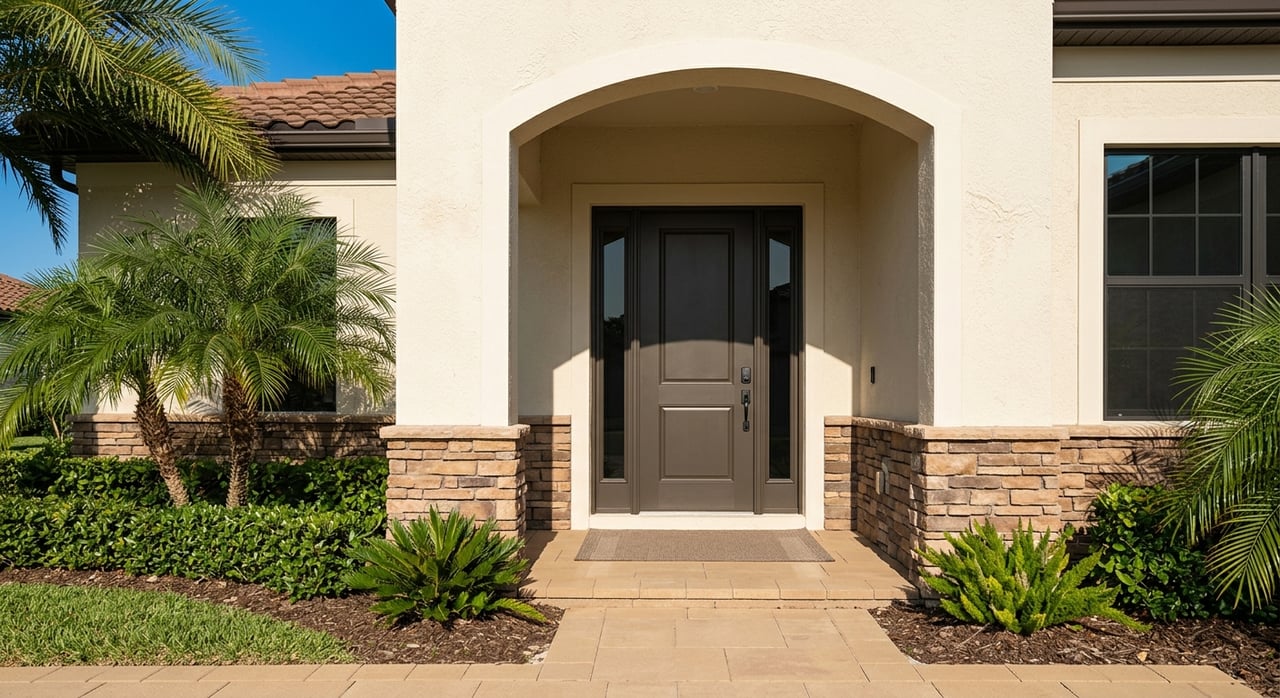
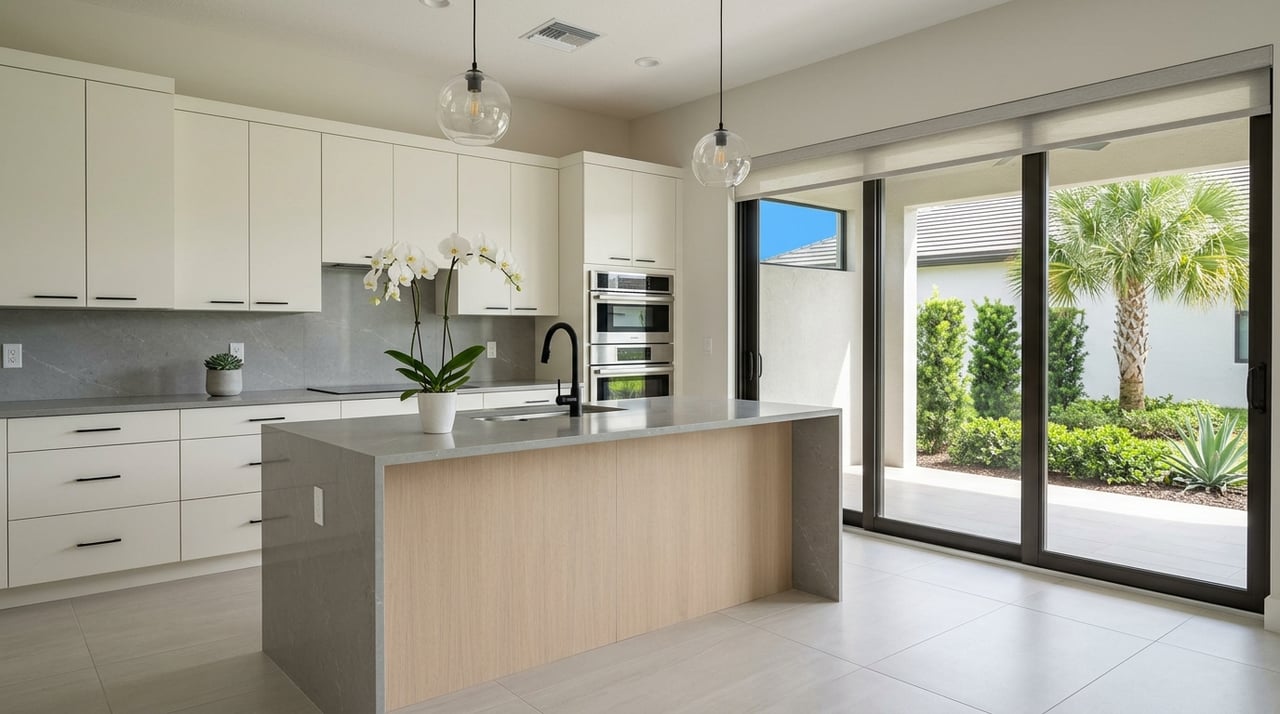
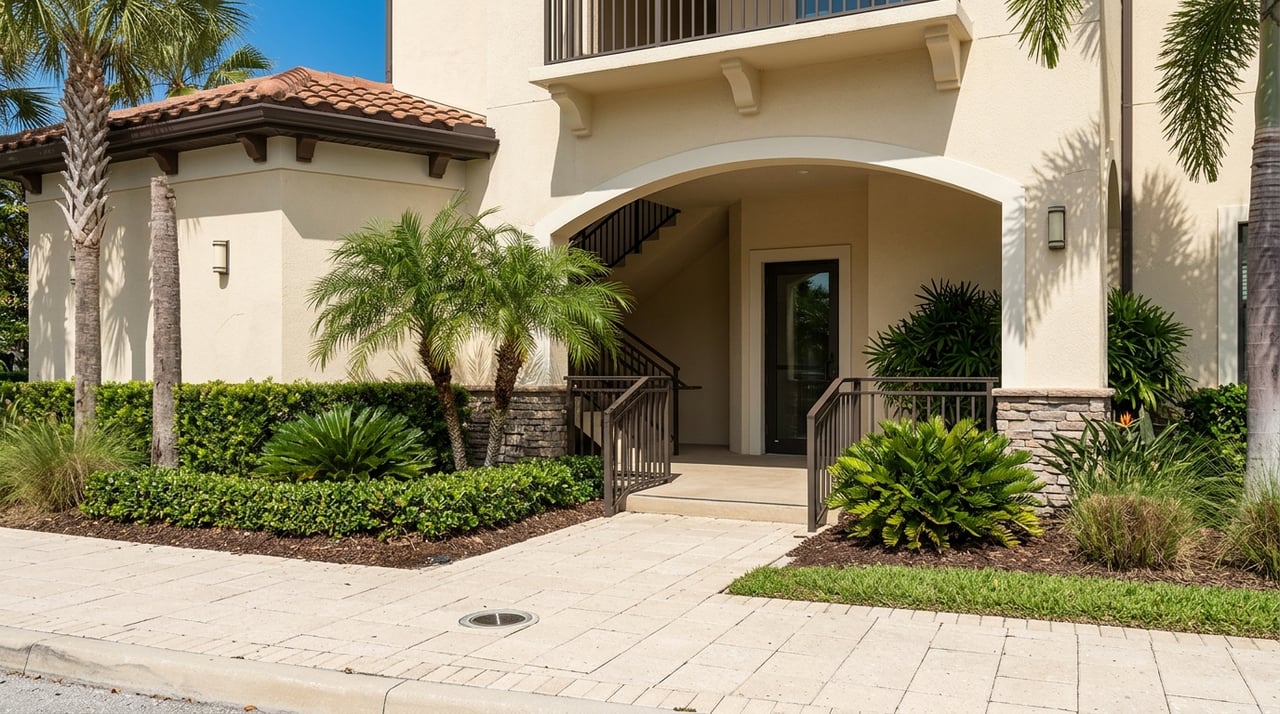
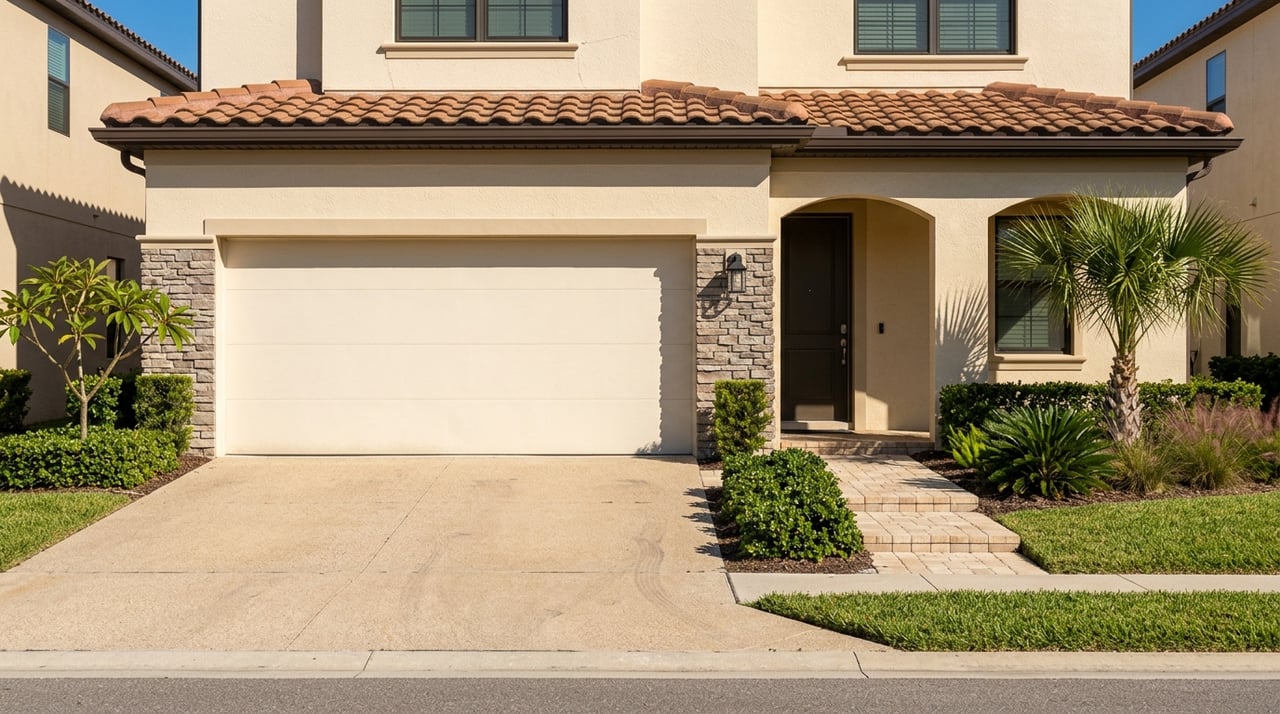
St. Petersburg does not have a one-size-fits-all housing market. Based on the city’s layout and neighborhood structure, condos, apartments, and other low-maintenance options are more common near downtown and the waterfront, while detached homes are more common in established inland, west, and south neighborhoods.
That matters if you are relocating and trying to narrow your search. Your budget, maintenance preferences, and daily routine can all shape which part of St. Pete makes the most sense for you.
For buyers, this flexibility can be a real advantage. You may be able to focus on a lock-and-leave condo lifestyle, a home with more outdoor space, or an investment-minded property depending on your goals.
The average commute time in St. Petersburg is 25.6 minutes. That is manageable for many residents, but it still makes location an important part of your home search, especially if you work outside downtown or need to cross the county regularly.
In the city core, getting around can be easier than many people expect. The Central Arts District is small enough to navigate on foot, by rideshare, trolley, bike, or scooter, which adds a level of flexibility that is not always common in Florida cities.
PSTA’s SunRunner is Tampa Bay’s first bus rapid transit line and one of the most useful transit features for daily life in St. Pete. It offers dedicated lanes, peak service every 15 minutes, and a ride of about 35 minutes from St. Pete Beach to downtown St. Petersburg.
The route connects downtown, Central Avenue business districts, Grand Central, EDGE, Pasadena, and St. Pete Beach. If you want to spend time in those areas without relying on a car for every trip, that can be a meaningful convenience.
Living near popular destinations does come with tradeoffs. The St. Pete Pier has more than 500 on-site parking spaces, plus bike parking and access by trolley and the Downtown Looper, but traffic can be heavy on Friday evenings and Saturday afternoons.
That reflects a broader reality in St. Pete. Popular areas are enjoyable and active, but parking and traffic can take more planning, especially during peak social hours and busy weekends.
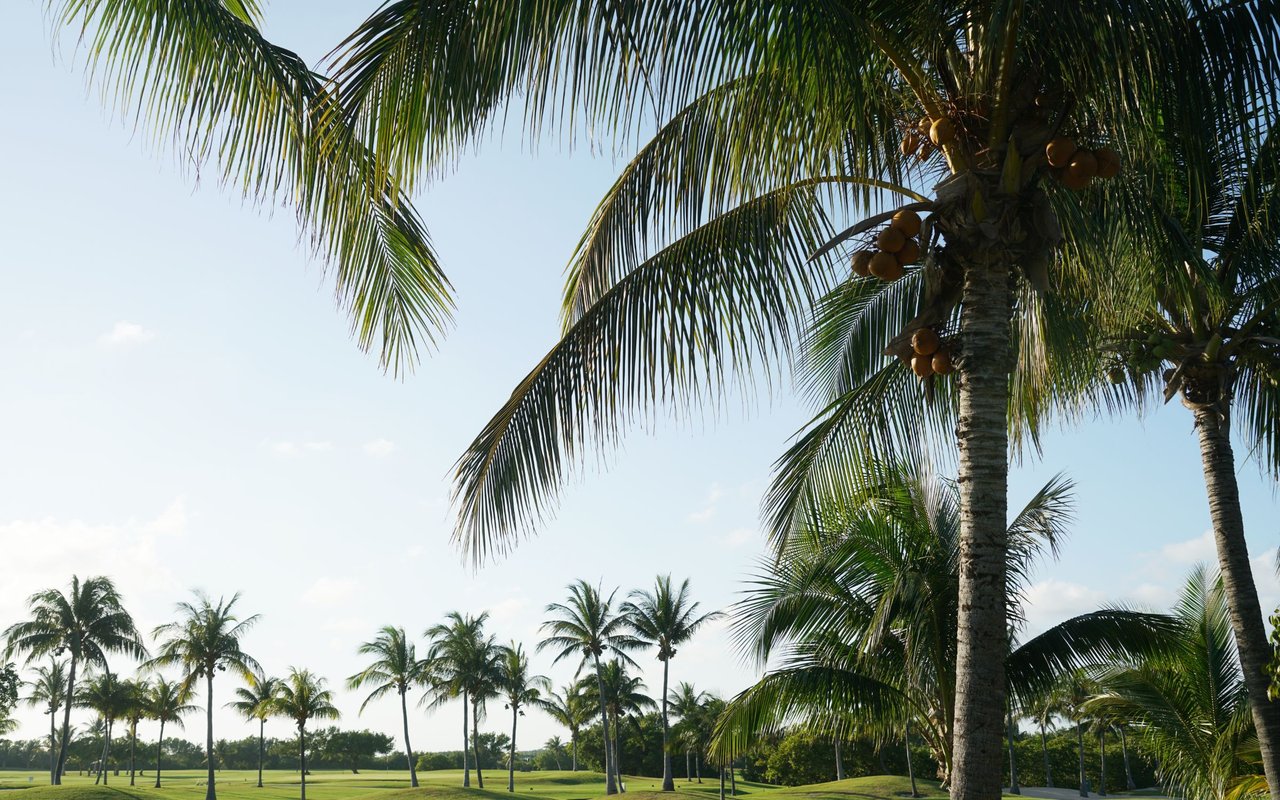
For many residents, the beach is not just an occasional outing. The St. Pete-Clearwater area offers 35 miles of beaches, year-round swimming, and warm weather, with brief afternoon rainstorms in summer and drier winters.
That climate shapes daily life in a practical way. You can enjoy outdoor time across much of the year, whether that means beach days, waterfront walks, biking, or time in local parks.
The St. Pete Pier is a big part of that outdoor lifestyle. This 26-acre waterfront destination brings together bay views, green space, restaurants, public art, fishing, family spaces, and a marketplace, all tied closely to downtown.
St. Petersburg’s park system offers more than neighborhood lawns and playgrounds. The city identifies several historic or archaeologically significant sites, including Abercrombie Park, Indian Mound Park, Jungle Prada de Narvaez Park, and Maximo Park.
Maximo Park alone covers more than 40 acres and borders Boca Ciega Bay. Spaces like this give residents another side of the city to enjoy, especially if you value waterfront scenery, open space, and outdoor recreation beyond the beach.
For many people, this is a major plus. St. Pete supports an active lifestyle without requiring every outing to revolve around the coastline.
One of the strongest parts of living in St. Petersburg is how much culture is woven into everyday routines. The Waterfront Museum District includes the Dalí Museum, Mahaffey Theater, Museum of Fine Arts, James Museum, and the Vinoy area, all within a waterfront setting.
The Central Arts District adds murals, boutiques, galleries, restaurants, live music, and nightlife along Central Avenue downtown. The Warehouse Arts District adds even more creative energy through studios, galleries, breweries, event spaces, and art walks in repurposed industrial buildings.
This gives the city a personality that feels active and creative, not just scenic. If you enjoy having things to do beyond beaches and chain retail, St. Pete offers a lot of variety.
St. Petersburg also has important historic and cultural context. The Deuces Live District highlights the city’s African American heritage, including the Woodson Museum and the African American Heritage Trail.
That adds depth to how the city is experienced. For residents, it means St. Pete’s identity includes arts, waterfront recreation, and historic community stories that continue to shape the city today.
No city is perfect, and St. Petersburg has a few everyday tradeoffs to consider. The biggest ones are often parking and traffic in high-demand areas, especially near downtown and major attractions.
Florida weather is also part of the equation. Warm temperatures support year-round outdoor living, but summer heat and brief afternoon storms can affect your routine.
For many people, those tradeoffs are worth it because of the lifestyle benefits. You get beaches, parks, culture, neighborhood variety, and a downtown that feels active and connected.
St. Petersburg can work well for a wide range of residents because of its balanced age mix, varied housing options, and mix of urban and coastal amenities. You may be especially drawn to it if you want one or more of the following:
If that sounds like your ideal mix, St. Pete is worth a serious look.
Living in St. Petersburg means getting more than sunshine and beach access. You are choosing a city with distinct neighborhoods, a genuine downtown, a strong arts identity, and outdoor spaces that support an active lifestyle year-round.
The right fit depends on what matters most to you, whether that is walkability, low-maintenance living, extra space, access to culture, or proximity to the water. If you want help figuring out which part of St. Pete best matches your goals, Megan Pargov can help you explore your options with clear local guidance.
Stay up to date on the latest real estate trends.
We are committed to guiding you every step of the way—whether you're buying a home, selling a property, or securing a mortgage. Whatever your needs, we've got you covered.
PARADISE HOME TEAM
3302 Alternate 19 Palm Harbor FL 34683