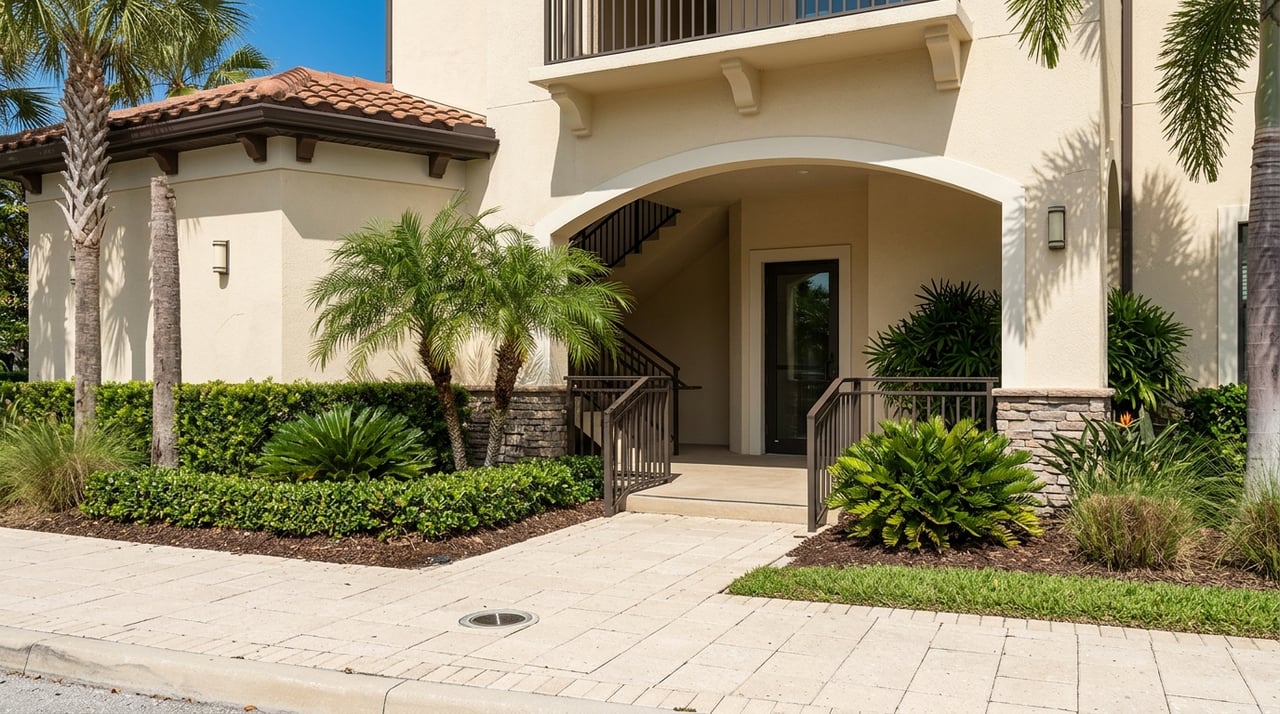
Condo Living In Dunedin: What Buyers Should Know
June 4, 2026
June 4, 2026
If you are thinking about buying a condo in Dunedin, you are probably drawn to more than just the unit itself. You may be picturing easy walks to downtown, time near the water, and a simpler homeownership routine with less day-to-day upkeep. The good news is that Dunedin can offer that lifestyle, but condo buying here also calls for careful review of the building, the association, and your insurance needs. Let’s dive in.
Dunedin stands out because it offers a lifestyle that feels connected and active. City planning materials describe Main Street as pedestrian-oriented and highlight a planned connection between downtown and the waterfront. The Pinellas Trail also runs through the heart of the city, bringing cyclists and pedestrians right into the downtown core.
That matters when you are comparing condo living to a single-family home. Instead of focusing only on square footage, many buyers in Dunedin are looking at convenience, walkability, and access to parks, dining, retail, and the waterfront. The city also notes that Dunedin has 31 parks and 240 acres of green space, which adds to the appeal of low-maintenance living.
City materials describe downtown as lively, with waterfront views, an arts district, unique retail shops, and festivals and events. For many buyers, that combination makes condo ownership feel like a lifestyle move as much as a real estate purchase. If you want a home base that keeps you close to activities without the work of maintaining a larger property, Dunedin often lands on the shortlist.
Before you fall in love with a view or a floor plan, it is smart to look at the building itself. In Florida, condo ownership means you are buying into a shared structure and a shared financial system. That makes the condition of the building and the health of the association just as important as the features inside the unit.
In a coastal market like Dunedin, this is especially important. Shared components such as roofs, exterior systems, windows, plumbing, and parking areas can become major expenses. If those items are aging or underfunded, future costs can affect your budget long after closing.
Florida has specific rules for condo buildings that are three stories or higher. Milestone inspections are required when a building reaches 30 years of age, and local enforcement agencies may require them at 25 years in areas near salt water. Residential condo associations with buildings of three stories or more must also complete structural integrity reserve studies, also called SIRS, at least every 10 years.
Because Dunedin is a coastal city, buyers should ask whether the building is current on both requirements. In some cases, the state allows a milestone inspection and a SIRS to be completed together. Either way, you want to know whether those reports are complete, current, and available for review.
When you review a condo community, pay close attention to the parts of the property that can lead to future dues increases or special assessments. Florida’s structural reserve rules focus on key components like:
Turnover inspection reports may also cover additional systems and amenities, including:
These are not minor details. In a city like Dunedin, where proximity to the coast is part of the draw, these shared elements can be some of the most expensive parts of the property to repair or replace.
A common mistake is treating condo dues like a simple maintenance bill. In reality, HOA fees support the association’s operating budget and reserve funding. That means the monthly number you see is only part of the story.
You also want to understand whether the association is saving enough for future repairs. A condo with lower dues can look attractive at first, but if reserves are weak, that lower payment may come with more financial risk later.
Florida law requires reserve accounts for capital expenditures and deferred maintenance, including things like roof replacement, building painting, and pavement resurfacing. For associations that must obtain a SIRS, reserve amounts must follow the findings and recommendations of that study.
For budgets adopted on or after December 31, 2024, owners in unit-owner-controlled associations that must obtain a SIRS generally may not vote to underfund those required reserve items. The statute also warns that waiving reserves can lead to unanticipated special assessments. For buyers, the takeaway is simple: healthy reserves can reduce surprises.
Before you commit to a purchase, ask for the association’s official records. Florida and DBPR guidance say those records include items such as:
Most official records must be maintained for at least seven years, while SIRS documents are maintained for 15 years. The association must make records available within 10 working days after a proper written request.
These documents can help you spot issues that may not show up during a standard property tour. You may learn about planned repairs, budget changes, insurance concerns, rule changes, or discussions about major building projects.
For resale contracts entered after December 31, 2024, Florida law requires disclosure if an association has not completed a required milestone inspection, turnover inspection report, or SIRS. The buyer must also receive the applicable reports or summaries before execution.
If those documents are delivered late, the law includes voidability and closing-extension rights. That is why it is wise to treat association documents as part of your offer review, not something to skim right before closing. A smooth condo purchase often comes down to getting the right information early.
In Dunedin, water access is part of the appeal, but it also means you need to think clearly about flood exposure. Pinellas County says everyone in the county lives in a flood zone, and it emphasizes that flood zones and evacuation zones are not the same thing.
That distinction matters for condo buyers. A property may sit in one type of risk area while having a different evacuation status during a storm event. You should review both before moving forward.
Some buyers think a higher-floor condo means flood risk is not a major concern. Pinellas County warns against that assumption. Even if your unit is above ground level, severe flooding of lower levels can still make the building uninhabitable.
For example, access points, elevators, mechanical systems, parking areas, and common spaces can all be affected. In practical terms, that means your personal living space is only part of the risk picture. The building’s overall function matters too.
One of the biggest condo-buying surprises is insurance. Buyers sometimes assume the association’s master policy covers everything they need. It does not.
In Florida, your personal condo policy and any flood coverage should be reviewed separately from the association’s insurance. This is an important part of your monthly and annual ownership costs.
Florida’s Chief Financial Officer explains that an HO-6 policy is the unit owner’s basic condo policy. It covers personal property, certain interior building items, liability, and loss-assessment exposure.
The association’s master policy does not cover many items inside the unit, including:
That means your budget should account for HOA dues, your own HO-6 policy, and any flood coverage that may be required or simply make sense for your situation.
Flood insurance is separate from homeowners insurance. FEMA says National Flood Insurance Program policies typically have a 30-day waiting period unless coverage is tied to certain lender or map-change situations.
For buyers, that means insurance planning should start early. If flood coverage will be part of your ownership costs, you do not want that conversation to begin at the last minute.
The best Dunedin condo purchase is usually the one that balances lifestyle and due diligence. You want the walkable downtown, trail access, parks, and waterfront proximity that make the area so appealing. You also want confidence that the building and association are financially and structurally prepared for the years ahead.
A good buying process should help you review both sides clearly. That includes the unit, the association records, reserve funding, inspection status, flood exposure, evacuation planning, and insurance needs. When you evaluate those pieces together, you can make a much more informed decision.
If you are considering condo living in Dunedin, working with a local team that understands both the lifestyle side and the process side can make the experience feel far more manageable. When you are ready to explore your options, Megan Pargov can help you navigate the details with clear guidance and local insight.
Stay up to date on the latest real estate trends.
We are committed to guiding you every step of the way—whether you're buying a home, selling a property, or securing a mortgage. Whatever your needs, we've got you covered.

PARADISE HOME TEAM
3302 Alternate 19 Palm Harbor FL 34683