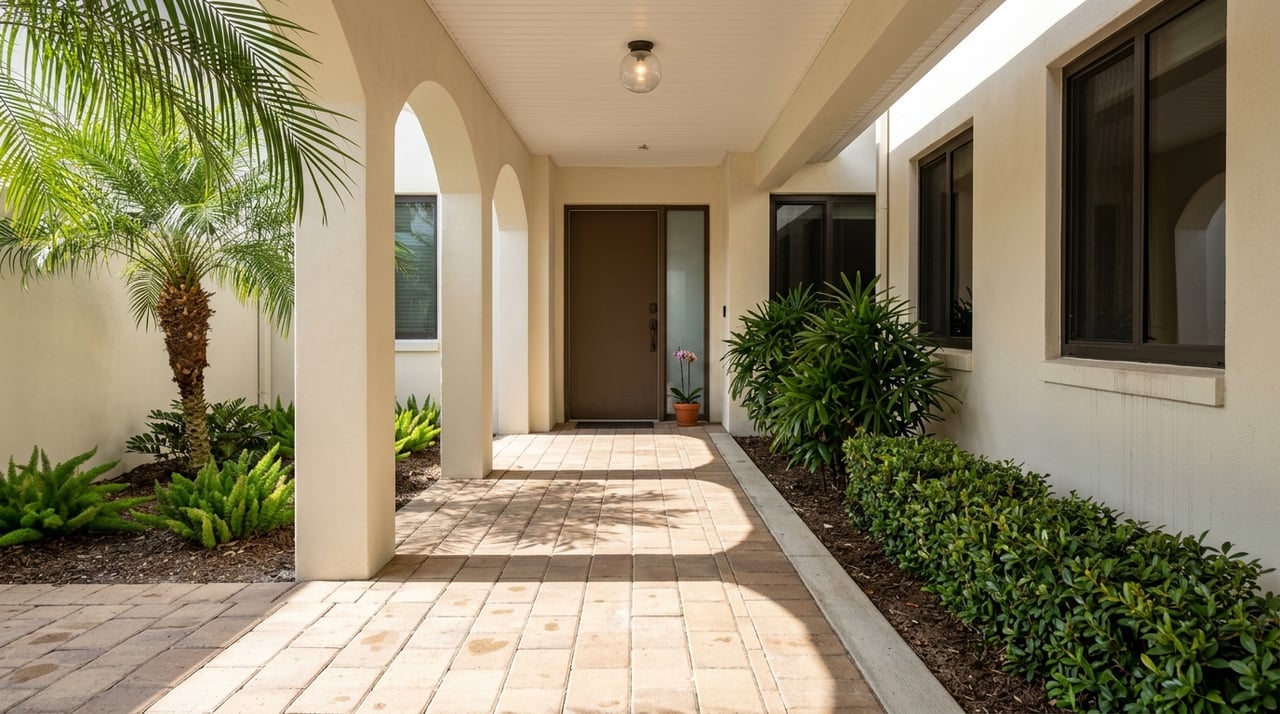
Selling A Condo In Clearwater: Process And Prep
July 9, 2026
July 9, 2026
Selling a Clearwater condo can feel simple at first, until you realize buyers are not just judging your unit. They are also looking closely at the condo association, monthly fees, reserves, inspections, and transfer rules. If you want a smoother sale with fewer surprises, it helps to prepare both the home and the paperwork early. Let’s dive in.
A condo sale is different from selling a single-family home because the association becomes part of the transaction. Buyers often want details about monthly assessments, what those fees cover, whether there are special assessments, and whether the association has approval rights or a right of first refusal.
In Clearwater, building age and coastal location can also become a bigger factor. For certain buildings that are three habitable stories or higher, Florida requires milestone inspections at specific ages, and some salt-water-adjacent conditions may trigger an earlier first inspection. Florida also requires structural integrity reserve studies for qualifying buildings, which can lead buyers to ask more questions about future costs and maintenance planning.
When buyers see weak reserves, pending inspections, or possible special assessments, they may become more cautious. That can show up as requests for a price adjustment, a seller credit, or more time to review documents.
This does not mean your condo will be hard to sell. It means the more clearly you can explain the building’s financial and maintenance picture, the easier it is for a buyer to move forward with confidence.
One of the smartest things you can do before listing is collect the full association package. For a nondeveloper resale condo in Florida, the buyer is entitled to current copies of key association documents at the seller’s expense.
These documents include the declaration, articles of incorporation, bylaws and rules, annual financial statement, and annual budget. If applicable, they can also include the milestone inspection summary, the most recent structural integrity reserve study, and the turnover inspection report.
For many Clearwater condo sales, this is not paperwork you want to chase after you accept an offer. These documents are tied to the buyer’s review rights, and delays can slow your closing or increase the chance of cancellation.
In a typical Florida resale condo transaction, the buyer generally has a 7-day review period after receiving the required documents. That period excludes Saturdays, Sundays, and legal holidays.
If the documents are missing or delivered late, your timeline can shift fast. That is why a systems-based approach matters so much in condo sales. Getting ahead of the paperwork helps you protect momentum once you go under contract.
The estoppel certificate is one of the most important documents in a Florida condo sale. It tells the parties what is due to the association and outlines several issues buyers and closing agents care about.
It can include:
Florida law also sets timing rules for estoppel certificates. If an association does not deliver the estoppel certificate within 10 business days, it may not charge the fee. The certificate is generally effective for 30 days if delivered electronically or by hand, and 35 days if mailed.
Ordering the estoppel early gives you time to catch unpaid balances, transfer fees, or unresolved violations before they become last-minute closing problems. It also helps you answer buyer questions with more confidence from the start.
For sellers in Clearwater, that kind of clarity can make a real difference. Condo buyers are often comparing more than layout and finishes. They are also comparing risk, cost, and ease of ownership.
Association documents do not replace your own duty to disclose known problems. In Florida, sellers must disclose known, latent, material defects that are not readily observable by the buyer.
In practical terms, if you know about hidden water intrusion, recurring mechanical issues, or another significant condition that affects value and is not obvious, you should address that with care and accuracy. Honest disclosure helps reduce the chance of disputes later in the transaction.
Good condo prep is part presentation and part problem prevention. You want buyers to see a clean, well-cared-for home while also making it easy for them to understand the ownership picture.
Start with the basics. Deep clean the unit, reduce clutter, and handle visible maintenance items that could distract buyers or raise unnecessary questions.
These steps help your listing feel more organized and better managed. That matters to buyers who want a low-maintenance move and a predictable process.
When you sell a house, buyers often focus heavily on the lot, yard, or exterior space. With a condo, the ownership experience matters just as much as the interior.
That means buyers may pay close attention to monthly dues, reserves, assessment history, insurance contacts, transfer rules, and inspection status. A strong condo listing should be ready to answer those questions clearly and early.
For Clearwater sellers, this is especially important in older or coastal buildings. Buyers may be less concerned about cosmetic finishes if they feel unsure about the association or future building costs.
Many condo buyers ask the same core questions during showings and due diligence. If you prepare for them in advance, your sale will usually feel smoother and more professional.
If you can answer these questions with organized documentation, you remove friction. That helps buyers stay focused on the opportunity instead of the unknowns.
The best condo sales usually start before the listing goes live. A little planning upfront can prevent a lot of stress later.
Request the association documents and order the estoppel certificate. This gives you time to confirm dues, fees, transfer requirements, and any old violations.
Document any known latent defects or recurring issues that may need to be disclosed. Finish cleaning, touch-ups, and record gathering so your listing is ready for questions right away.
Deliver the required condo documents promptly. In a resale condo transaction, the buyer’s review period is generally tied to receipt of those documents.
Confirm the estoppel payoff and make sure unpaid assessments are addressed. Florida law provides that unit owners remain liable for assessments that come due during ownership, and there can be joint liability for unpaid amounts that accrued before transfer.
In Clearwater, condo buyers often look closely at building condition, reserves, and future costs. That is especially true in older coastal buildings where milestone inspections and structural integrity reserve studies may become part of the conversation.
If you prepare early, you can control the story better. Instead of reacting to buyer concerns one by one, you can present your condo as a well-managed opportunity with fewer unanswered questions.
A smooth condo sale usually comes down to the same things Paradise Home Team values in every transaction: clear communication, solid prep, and a process that keeps surprises to a minimum. If you are getting ready to sell and want a lower-stress plan for your Clearwater condo, Megan Pargov can help you map out the next steps.
Stay up to date on the latest real estate trends.

We are committed to guiding you every step of the way—whether you're buying a home, selling a property, or securing a mortgage. Whatever your needs, we've got you covered.

PARADISE HOME TEAM
3302 Alternate 19 Palm Harbor FL 34683